The Expanded Narrative
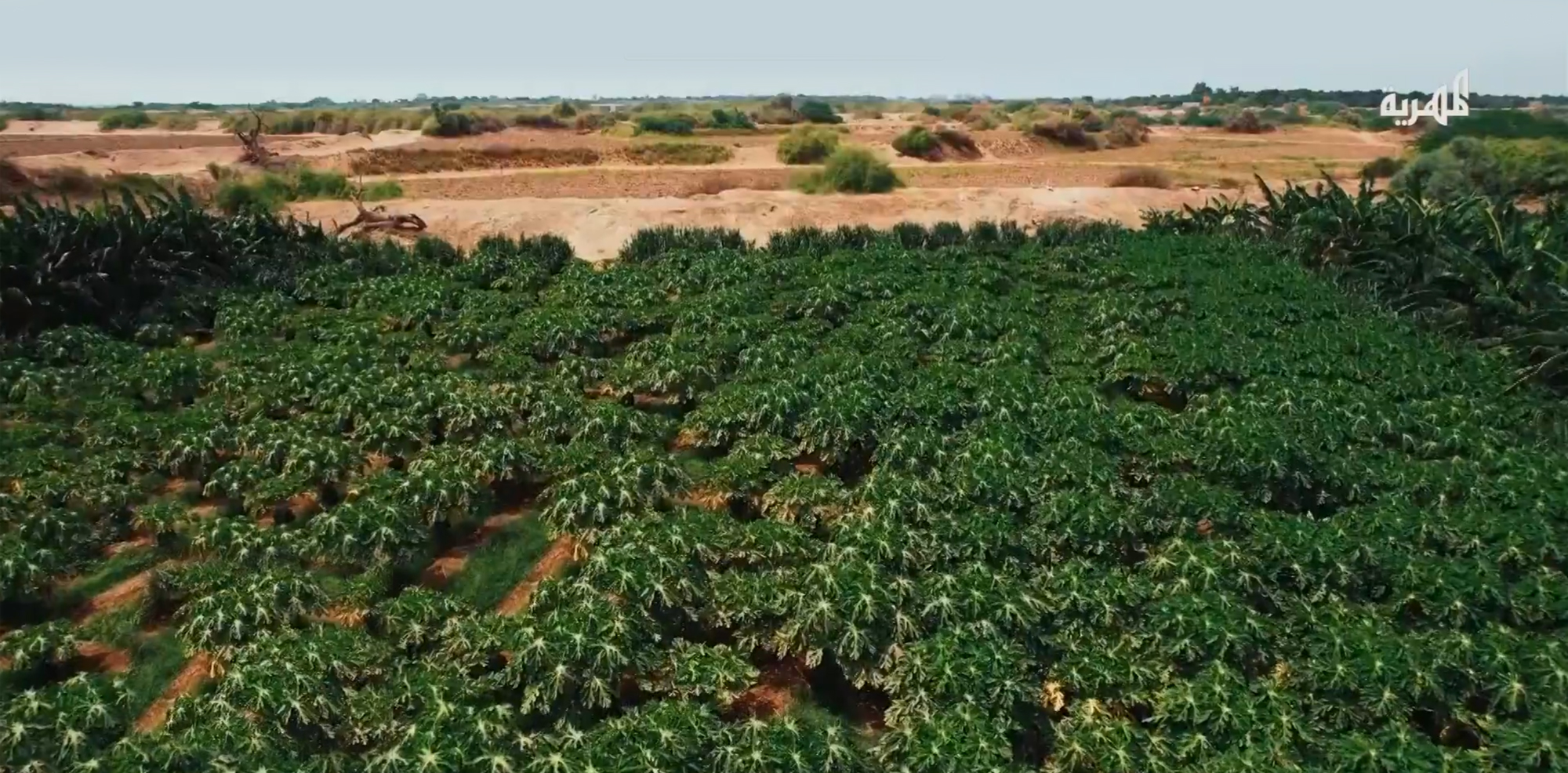
A fertile plain formed over centuries by accumulated river silt; one of Yemen’s most important agricultural regions thanks to its rich soil and advanced irrigation systems.
Geological formation
The Abyan Delta was formed over thousands of years by the silt carried by the waters of Wadi Bana and Wadi Hassan from the interior highlands. Its formation dates to recent geological eras, when seasonal floods deposited the fertile alluvial material that shaped this wide alluvial plain.
Natural characteristics
- A wide expanse of flat, fertile land
- Clay-silt soil rich in organic matter
- Semi-arid climate with seasonal rains
- Water sources from seasonal wadis and groundwater
- Diversity of natural and cultivated vegetation
Irrigation systems and water distribution
- Traditional irrigation channels dating back hundreds of years
- Dams and regulating barriers at the mouths of the wadis
- Modern irrigation projects built in the twentieth century
- A water distribution system based on fairness among farmers
- Cisterns and reservoirs for seasonal water
Agricultural crops
- Grain crops: maize, wheat, barley
- Seasonal vegetables of various kinds
- Oil crops: sesame, sunflower
- Fruit trees: citrus, banana, mango
- Cash crops for export
Economic importance
The Abyan Delta is one of the most important agricultural regions in Yemen, contributing significantly to national agricultural production. Farming in the delta provides livelihoods for thousands of families, supplies the local market with food crops, and supports food security.
Social and cultural life
- Deeply rooted farming communities
- Agricultural traditions passed down the generations
- Local knowledge of water management and farming
- Seasonal festivals linked to the harvest
- Handicrafts connected to agricultural products
Formed by the silt of Wadi Bana and Wadi HassanRich clay-silt soilAn irrigation system combining traditional and modern methodsFamous for grains, sesame and citrus