The Expanded Narrative
Zabid was never merely a political capital; it soon became an open-air university under the sky, with more than 230 scholarly schools and congregational mosques by the 8th century AH.
Zabid
Zabid was never merely a political capital; it soon became an open-air university under the sky, with more than 230 scholarly schools and congregational mosques by the 8th century AH, making it a destination for scholars from across the Islamic world and immortalising its name as a centre of knowledge, jurisprudence and language.
Features of the walled city
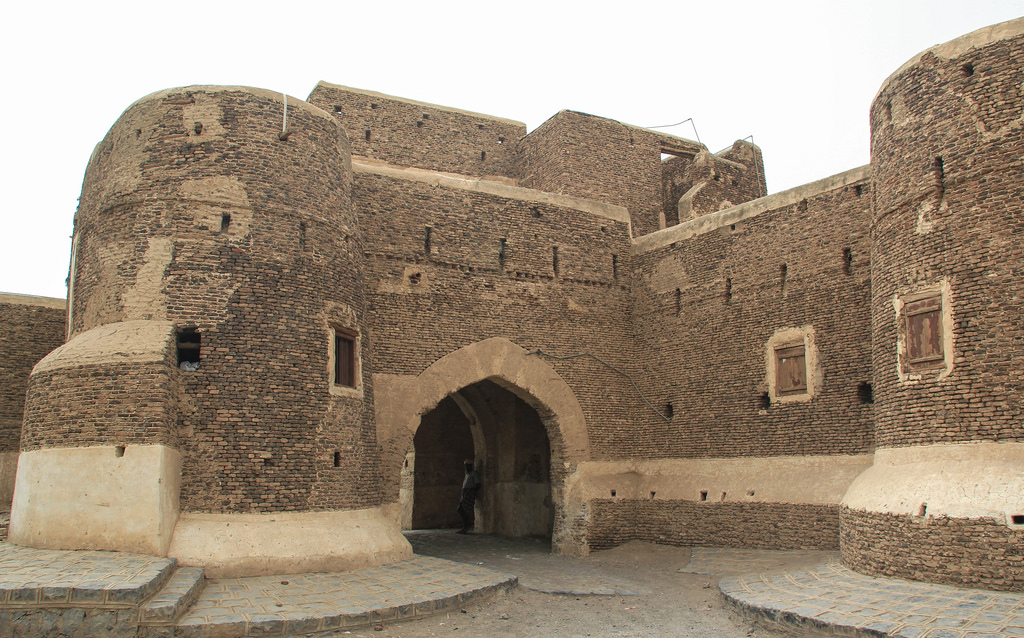
- A historic wall with four main gates: al-Shabariq (east), Siham (north), al-Nakhl (west) and al-Qurtab (south).
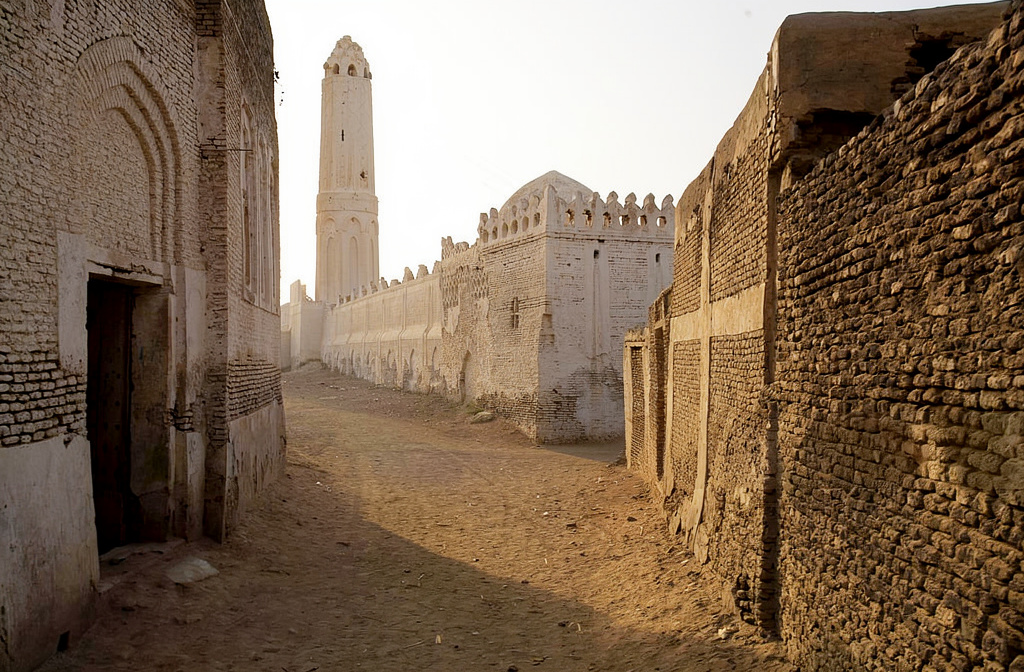
- Advanced urban planning of narrow alleys and cohesive mud-brick houses adapted to Tihama’s hot climate.
- Dozens of historic schools such as the Mu’izziyya and Ashrafiyya, complexes of teaching and residence.
- The Ash’ariyya Mosque, one of Yemen’s oldest, attributed to the companion Abu Musa al-Ash’ari in the eighth year of the Hijra.
More than 230 schools in the 8th century AHInscribed on the UNESCO World Heritage ListThe Ash’ariyya Mosque, one of Yemen’s oldestA historic wall with four gates