The Expanded Narrative
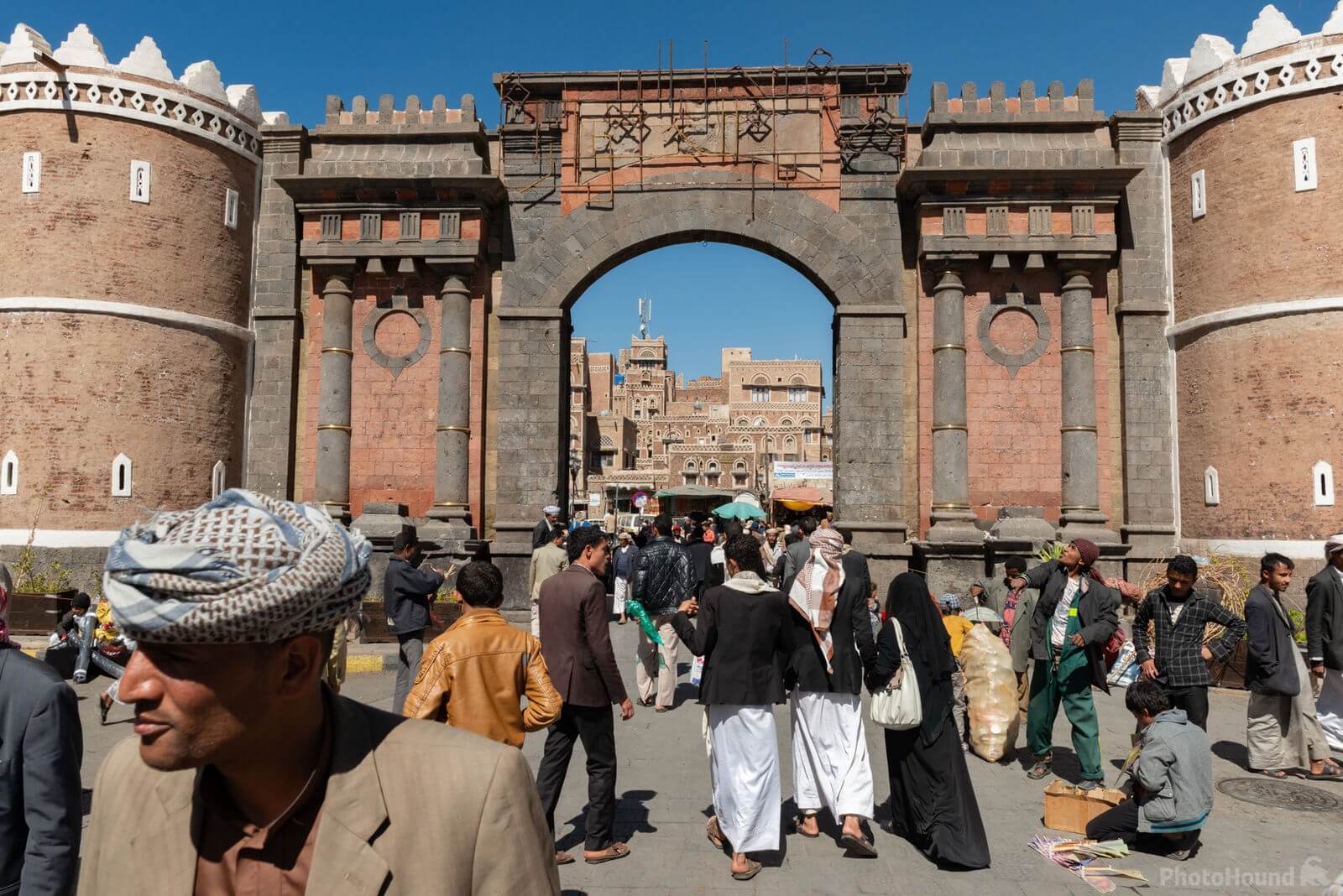
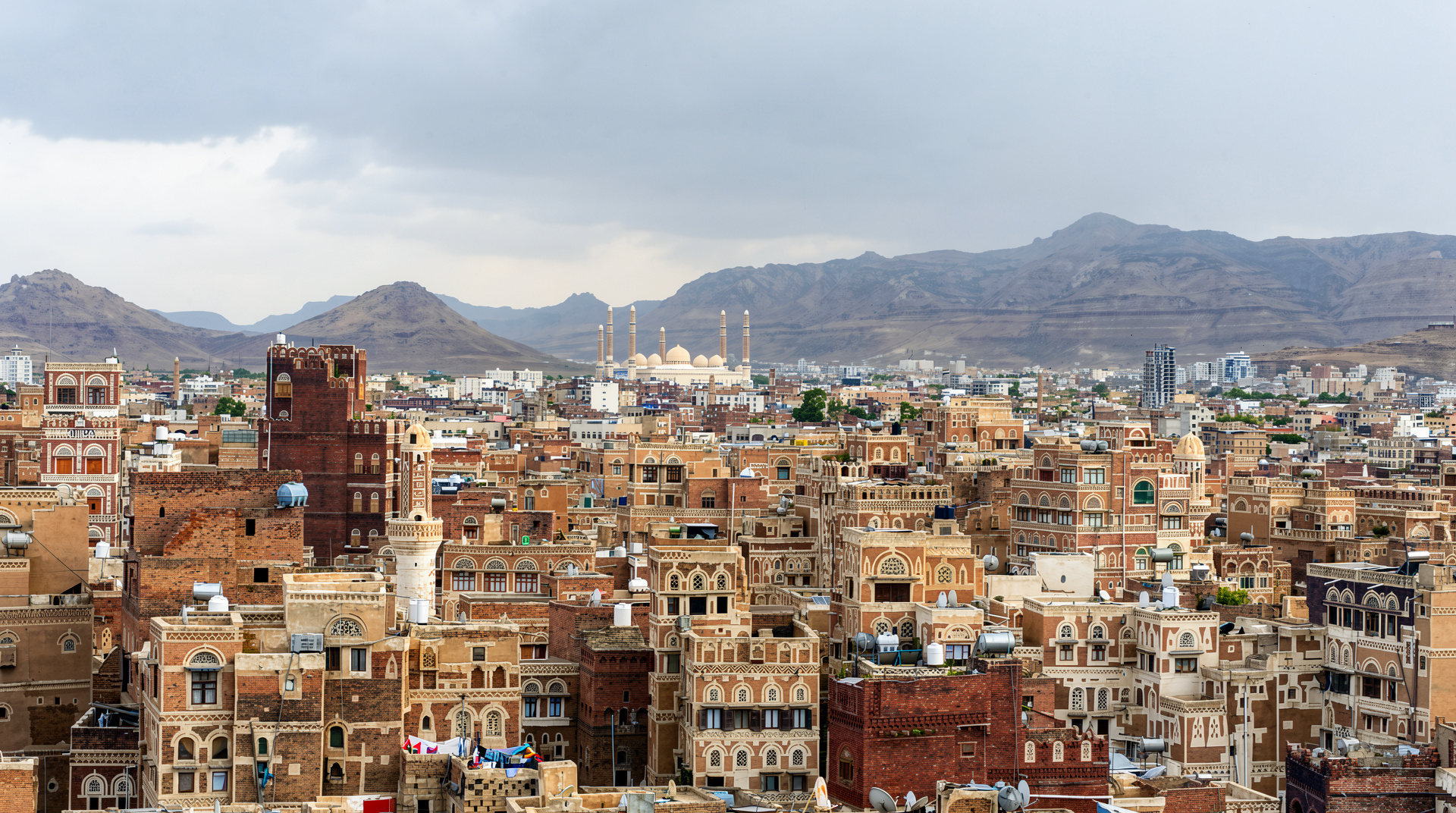
Inscribed on the UNESCO World Heritage List since 1986 as a unique model of the Islamic city with tower houses of baked brick (ajur) and mud brick, adorned with white stucco and coloured qamariya windows.
World value
Inscribed on the UNESCO World Heritage List since 1986 as a unique model of the Islamic city with tower houses of baked brick (ajur) and mud brick, adorned with white stucco and coloured qamariya windows. Its origins date to the fifth century CE and it developed through the Islamic ages.
The urban fabric
- An organic plan of narrow alleys 1-3 metres wide and public squares
- Multi-storey houses (4-9 floors) with brick decoration and qamariya
- Over 103 historic mosques, 14 public baths and 6,000 traditional houses
- Specialised souqs connected functionally and urbanistically by covered passages
Water planning
The city relied on channels, aqueducts and the Sayilah of Sanaa to drain floods, in addition to cisterns and gutters preserving the buildings. The main sayilah is 3.5 km long and branches into 72 secondary channels.
UNESCO World Heritage site since 1986Over 103 historic mosques6,000 traditional housesTower houses of 4 to 9 storeys