The Expanded Narrative
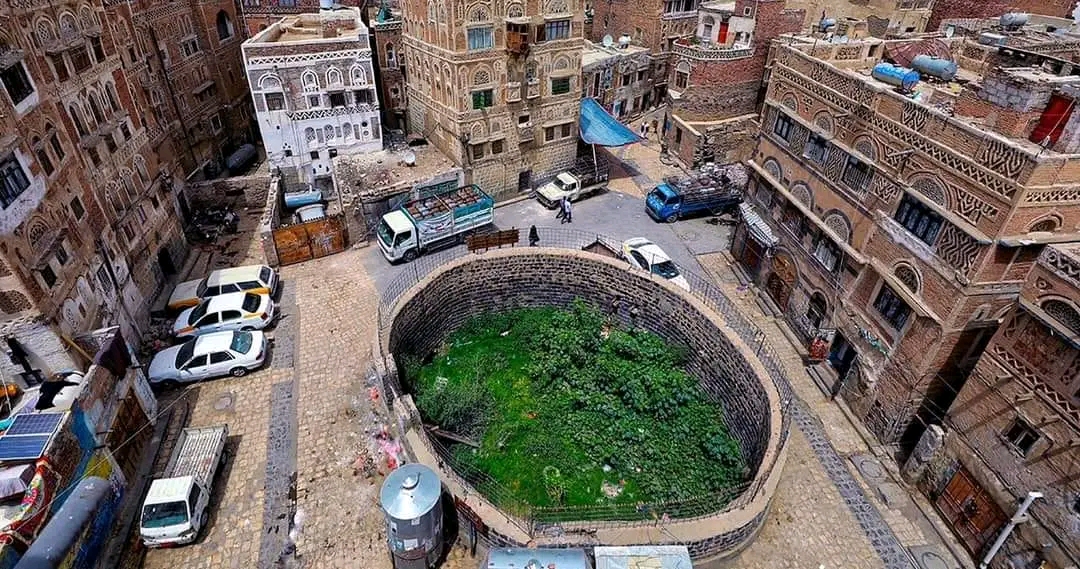
Site of a church built in 525 CE by the Abyssinian Abraha al-Ashram in an attempt to divert the Arabs’ qibla from Mecca, mentioned in historical sources such as al-Tabari and al-Mas’udi.
History and importance
Site of a church built in 525 CE by the Abyssinian Abraha al-Ashram in an attempt to divert the Arabs’ qibla from Mecca, mentioned in historical sources such as al-Tabari and al-Mas’udi. It was destroyed in the seventh century CE, leaving archaeological traces locally known as the "Qulays pit". The site covers 1,200 square metres.
Archaeological significance
- Documents the layers of religions and history in Sanaa
- Its proximity to people increases its cultural importance
- Remains of stone foundations
A church built in 525 CEBy Abraha al-AshramThe site covers 1,200 square metresMentioned in al-Tabari and al-Mas’udi